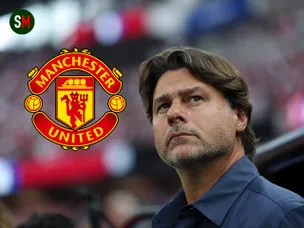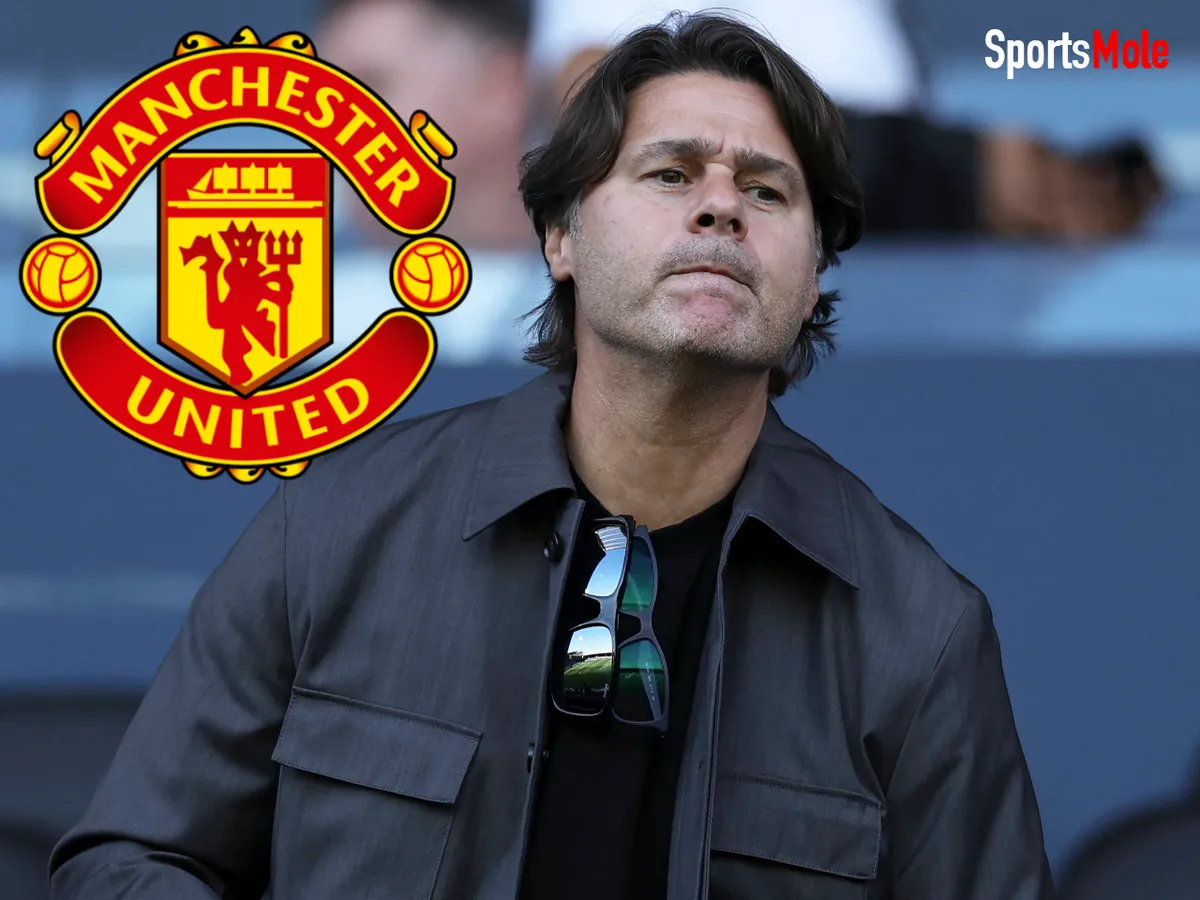
Manchester United face another decision that could define their season. After a disastrous start to the Premier League, with the team in the relegation zone and winless in eight games, Michael Carrick has lost support inside the club. The hierarchy is weighing a change at the top, and according to the English press, Mauricio Pochettino is the leading candidate to take over.
The possibility carries both opportunity and urgency. The Argentinian manager is in charge of the United States national team, but he has a contract clause that would allow him to leave in return for financial compensation. He also knows the Premier League deeply and has come close to taking the United job on other occasions. At 54, he combines experience at high-pressure clubs, rebuilding projects and a style of play that could, in theory, give the Red Devils a clearer identity. That does not mean he is an automatic solution.
United’s interest and Pochettino’s contract
Carrick’s situation has deteriorated quickly. After a vote of confidence from the hierarchy, he was given three more games to change the picture. The result was not enough, as United won only once in that period and reached eight games without a Premier League victory. The 4-4 draw with Aston Villa on Sunday kept the team in the relegation zone and increased the pressure for a decision.
On Tuesday, the situation was not officially settled. Sky Sports reported that the hierarchy was carrying out a full performance review, led by director of football Jason Wilcox, and intended to decide Carrick’s future before the end of the international break. ESPN named Pochettino as the board’s preferred candidate if a dismissal goes ahead.
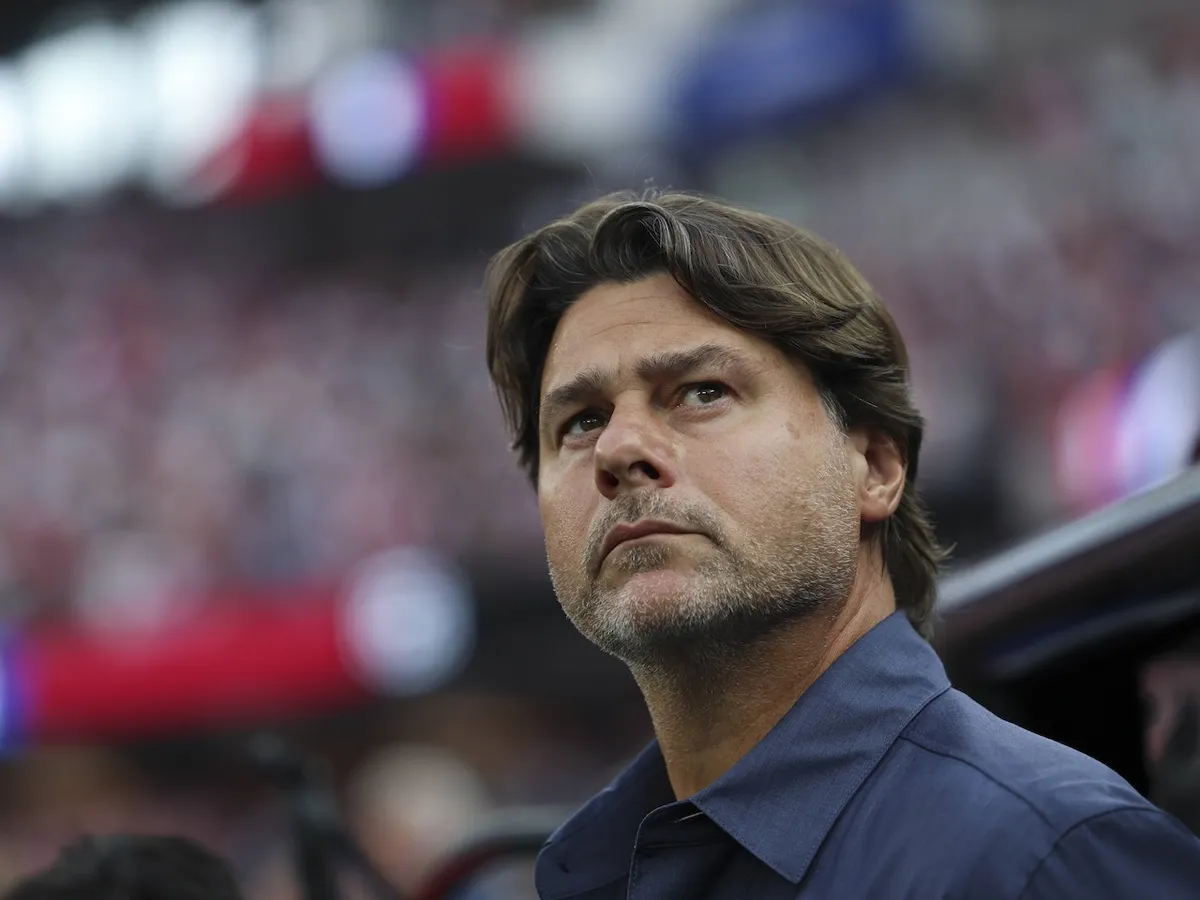
The Argentinian is not new to the club. He has been interviewed for the job on three previous occasions and was among the top names considered in selection processes that ended with other appointments. In an interview with FourFourTwo in May, Pochettino acknowledged that United had shown repeated interest but said the ideal opportunity never materialised.
There is, however, an important contractual question. In August, after the World Cup, Pochettino signed a renewal with the United States Soccer Federation that extends his deal to 2030. According to The Athletic, there is an exit clause of around $10m (about £7.5m). The mechanism would allow an interested club to trigger the clause by paying the compensation. The figure would not necessarily cover the whole coaching staff, however. Pochettino has worked for many years with trusted staff such as assistant Jesus Perez, and releasing those members could push up the cost.
It is also important to understand the scale of the commitment he made to the United States. The renewal was not simply an extension to lead the team at the next World Cup: the federation announced that Pochettino and his team would have a wider role in developing the sport in the country, including youth categories, coach education and technical structure.
Why Pochettino’s style could make sense at Old Trafford
Tactically, there are reasons why the name appeals to United. Pochettino built his reputation in England at Southampton and Tottenham Hotspur, teams that combined high pressing, intensity without the ball and vertical attacks. At Tottenham in particular, he turned a young squad into a competitive team that challenged for domestic honours and reached the 2019 Champions League final.
His model usually starts from a 4-2-3-1 or a 4-3-3. In build-up, the centre-backs split, the holding midfielders offer passing lines and the full-backs advance to provide width. The aim is to create numerical superiority in certain areas, draw the opposition press and find space to progress. In attack, the wingers can leave the touchline and occupy inside channels, while the full-backs provide depth on the outside.
The most recognisable feature is the way he defends. Pochettino likes aggressive teams that press the opposition build-up and try to win the ball back quickly after losing it. For that, he needs players able to repeat efforts, close space and keep distances between the lines.
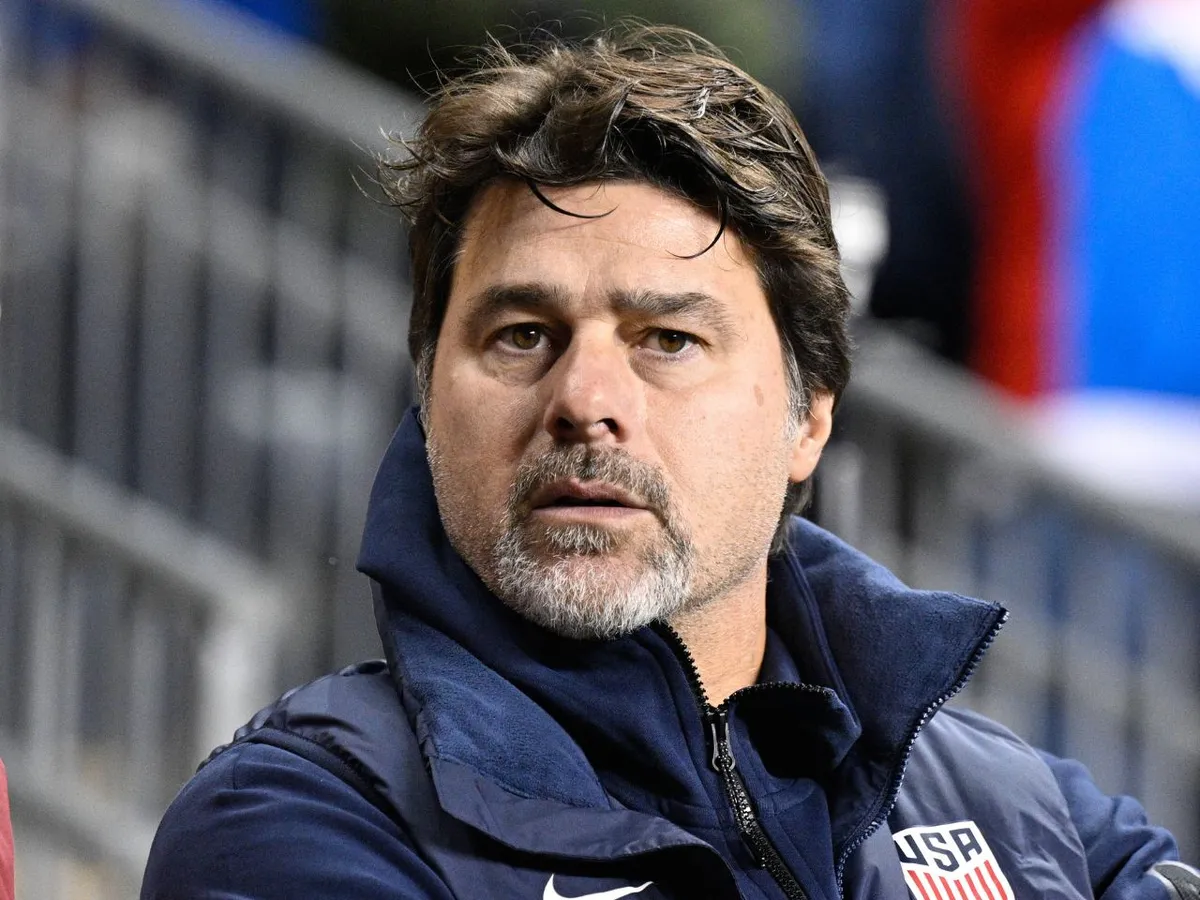
That principle could be interesting for United, who have struggled to find a consistent identity. The Red Devils have more possession, but do not necessarily turn that control into dominance. They have also shown problems sustaining a high block: when the first press is beaten, a lack of mobility and coordination between midfield and defence opens space for the opposition.
Pochettino could offer an answer. Instead of relying on individual moments of pressing, United would have a more defined model to guide the movement of the attackers, the cover of the midfielders and the positioning of the defensive line. There is a condition, however: the squad must be compatible with the manager’s physical demands. He does not usually compromise on commitment without the ball and has shown, in different jobs, a willingness to sideline players who cannot keep up with the intensity he wants. United have players with suitable characteristics, but also imbalances in important areas.
A firm hand, young players and a problem bigger than the manager
Pochettino has a track record that could help with another aspect of the crisis: squad management. At Tottenham, he worked with a squad that mixed experienced players and rising youngsters, developing names such as Harry Kane and Dele Alli. He also valued homegrown players and built an environment of collective demand. At Southampton, he helped consolidate a competitive team with players who were still establishing themselves.
That ability to develop young players fits one of United’s historic characteristics. The club has a tradition of backing academy talent, but needs to turn that principle into a coherent sporting policy and not just an occasional solution for difficult moments.
His profile also involves demands for intensity and discipline. He is not a manager known for building relationships around names or status. Even so, calling this a guarantee that he will impose order at Old Trafford would oversimplify the problem. A manager’s firm hand only produces lasting effects when there is backing from the hierarchy and a structure that supports his decisions.
That is where the biggest doubt lies over a possible appointment. United have gone through successive changes of manager, sporting project and transfer strategy. The current crisis did not arise only from Carrick’s tactical choices: the squad has imbalances, the board has to set priorities and the club is still searching for stability in how football is run.
Pochettino’s experience at Chelsea also recommends caution. In London, he improved the team’s performance and finished sixth in the 2023-24 Premier League, but did not stay in the job to continue the project. In Paris, he won the French league title with Paris Saint-Germain, but struggled to balance a squad full of stars and meet the club’s European expectations.
United need a manager who can stabilise the team in the short term and at the same time set a direction for the future. Pochettino has Premier League experience, knows the pressure of running a club with a huge fanbase and offers a playing proposal that could give the team an identity. It is not a baseless bet. He could be a sporting solution that makes sense. What is still unclear is whether United are ready to provide the conditions he needs to succeed.

 Mauricio Pochettino
 Manchester United