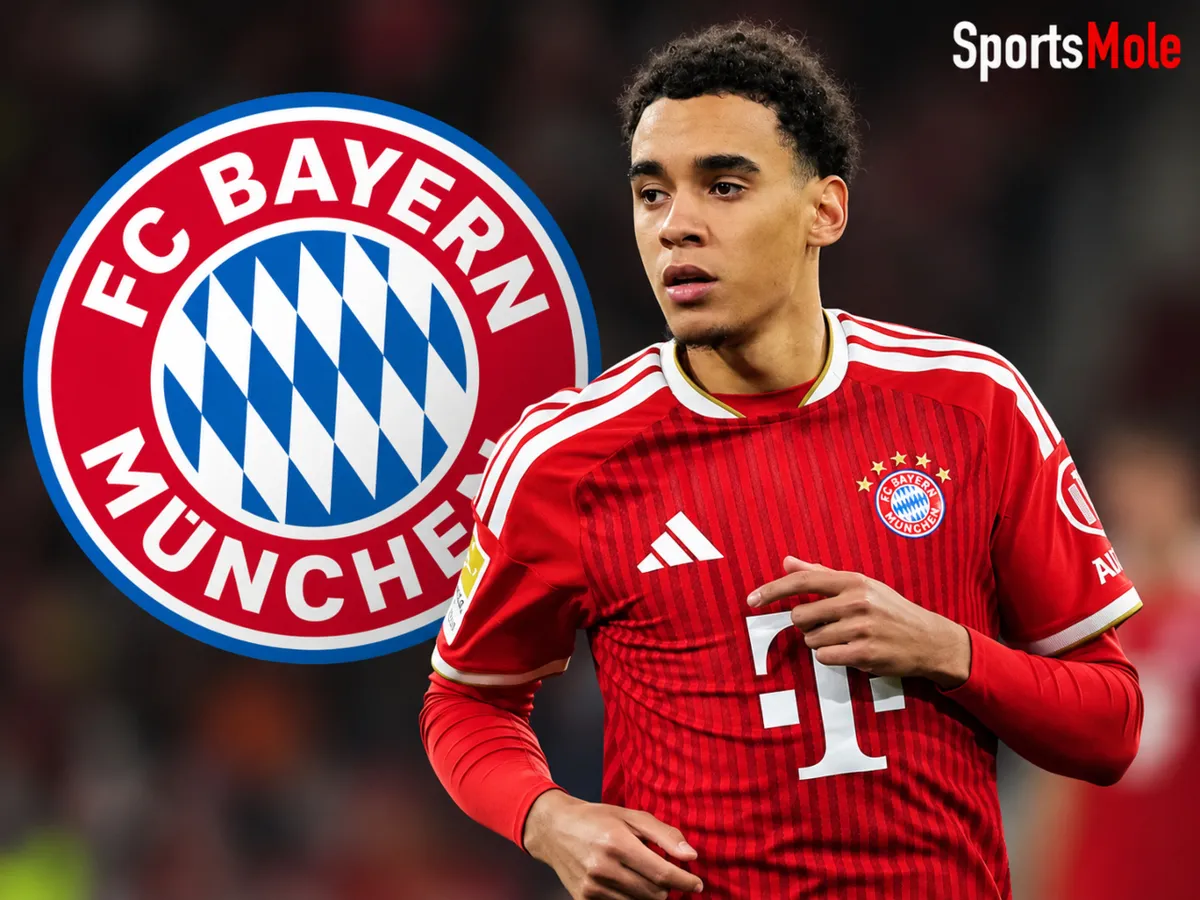
Bayern Munich have been accused of putting public pressure on Jamal Musiala over his contract, with global players' union FIFPRO condemning a series of statements from senior club officials just as the Germany international returns from injury.
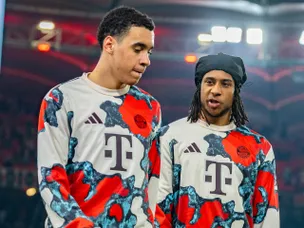
The 23-year-old made his comeback during Friday's 1-1 Bundesliga draw with FC Koln after almost two months on the sidelines, but attention has quickly shifted from his return to questions surrounding his long-term future at the Allianz Arena. Musiala signed a lucrative contract extension until June 2030 in February 2025, a deal that has now become the subject of public discussion among some of Bayern's most influential figures.
Honorary president Uli Hoeness, chief executive Jan-Christian Dreesen and supervisory board member Karl-Heinz Rummenigge have all addressed concerns about the midfielder's ability to regain his previous level following a difficult period of injuries and health problems.
Rummenigge went further after Friday's match, suggesting that Bayern might eventually have to reconsider the financial commitments attached to Musiala's contract. Those remarks prompted an unusually direct response from FIFPRO on Saturday, with the union questioning the manner in which the German champions have handled the situation.
FIFPRO accuses Bayern hierarchy of coordinated pressure on Musiala
In a statement published on November 21, FIFPRO expressed serious concern about the repeated public interventions of Bayern's senior officials, arguing that their comments had placed unnecessary pressure on a player attempting to rebuild his fitness and confidence.
The organisation described the sequence of statements as a "coordinated strategy to put pressure" on Musiala and his representatives ahead of possible contract negotiations.
FIFPRO stressed that Bayern have a responsibility to support their midfielder during his recovery and argued that any concerns surrounding his contract should be discussed privately rather than through the media.
The union also challenged the suggestion that injuries or a decline in performance could justify revisiting financial terms that both parties had already accepted.
"Contracts are there to be respected," FIFPRO declared, emphasising that contractual stability protects clubs as well as players.
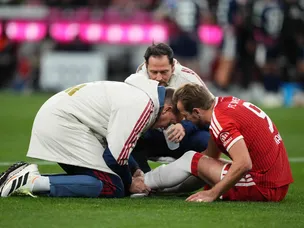
Its intervention followed several weeks of public debate surrounding Musiala, who has endured a difficult period since suffering a fractured leg at the Club World Cup in July 2025. Further setbacks have restricted his involvement this season, including a hamstring injury in September that kept him out until Friday's meeting with Koln.
The midfielder has also spoken publicly about a neurological condition diagnosed after two episodes of losing consciousness during pre-season. However, that diagnosis should not be interpreted as evidence that he cannot return to elite football, and no medical conclusion about his long-term playing ability has been established.
FIFPRO's criticism concerns the public handling of Musiala's situation rather than any confirmed attempt by Bayern to alter his existing agreement. There has been no announcement of a salary reduction, and the union's allegation of coordinated pressure remains disputed by the club's leadership.
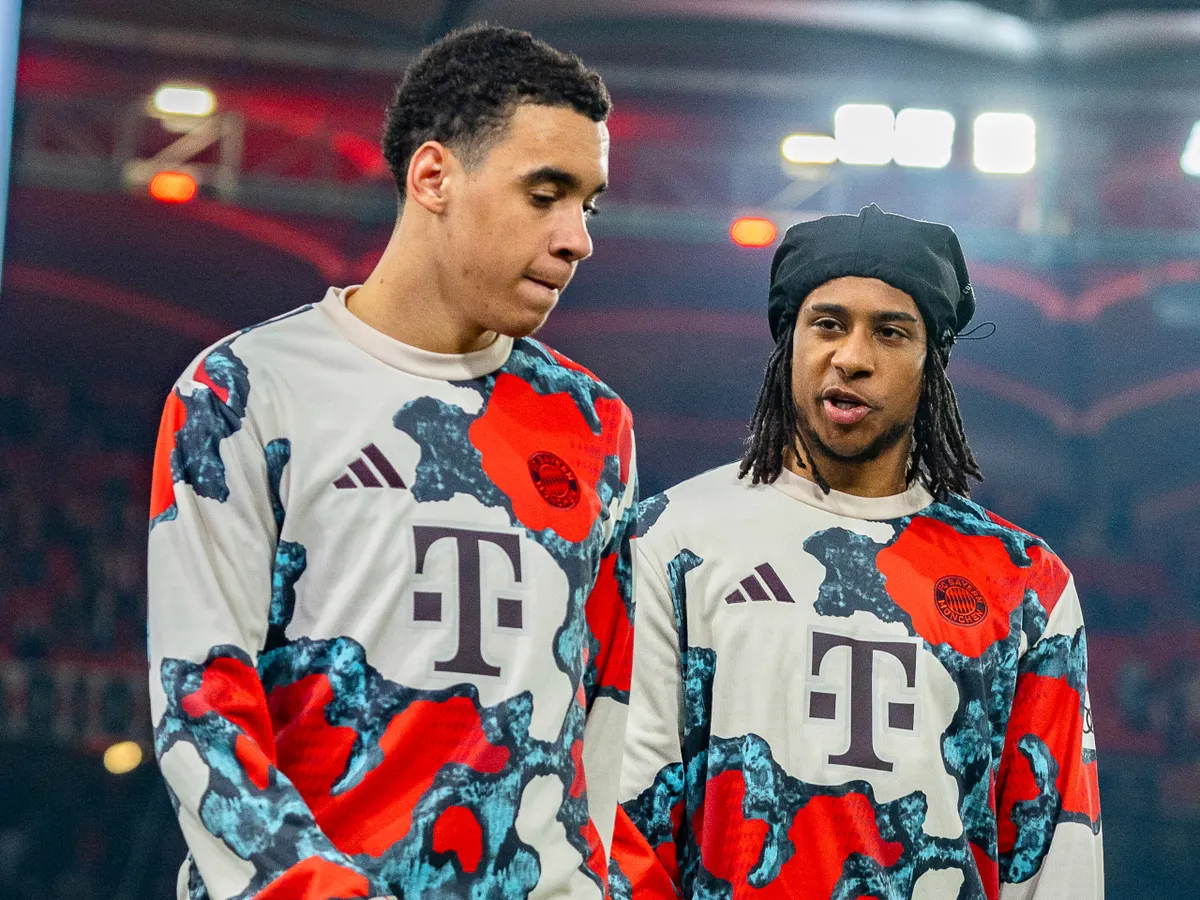
Rummenigge raises salary concerns as Bayern chief rejects allegations
The controversy intensified following Rummenigge's interview with Sky Germany after Musiala's return against Koln.
The former Bayern chief executive, who remains a member of the club's supervisory board, defended the earlier remarks made by Hoeness and Dreesen, insisting that it was reasonable for Bayern to consider the financial implications of Musiala's uncertain sporting situation.
Rummenigge acknowledged that the midfielder might struggle to reproduce the performances that previously established him among Europe's most highly regarded attacking players.
Discussing a potential review of the player's financial terms, he suggested that Bayern would need to speak to Musiala, his family and his representatives if those concerns persisted.
"Then these sums would simply no longer be sustainable," Rummenigge said, referring to the possibility of Musiala failing to regain his previous level.
He also indicated that a transfer would be difficult under those circumstances, questioning whether another club would be prepared to invest heavily in the midfielder while uncertainty remained over his recovery.
However, Rummenigge confirmed that no discussions with Musiala's representatives had taken place. He described the possibility of reviewing the contract as an idea rather than an agreed course of action, adding that Bayern intended to monitor the player's progress over the coming weeks.
Dreesen subsequently rejected FIFPRO's suggestion that the club was attempting to pressure Musiala.
"We all hope that Jamal will be the Jamal we know again," the Bayern chief executive said on Saturday. "He needs time to come back. We've said that several times now."
Dreesen added that the club would assess the situation at the beginning of next year and indicated that there was no need to continue publicly discussing the player's contract.
The debate has also highlighted differing public messages from within Bayern. While senior figures have raised financial concerns, head coach Vincent Kompany and sporting director Max Eberl have expressed confidence in Musiala's ability to work his way back towards his best form.
His return against Koln was an encouraging first step after another frustrating spell on the sidelines, but a brief substitute appearance offers little basis for judging his longer-term prospects.
For now, Bayern remain committed to a contract running until 2030, and any alteration to its terms would require discussions with the player and his representatives. FIFPRO's intervention has ensured that the way those conversations are approached, should they eventually take place, will attract considerable scrutiny.

 Jamal Musiala
 Bayern Munich