
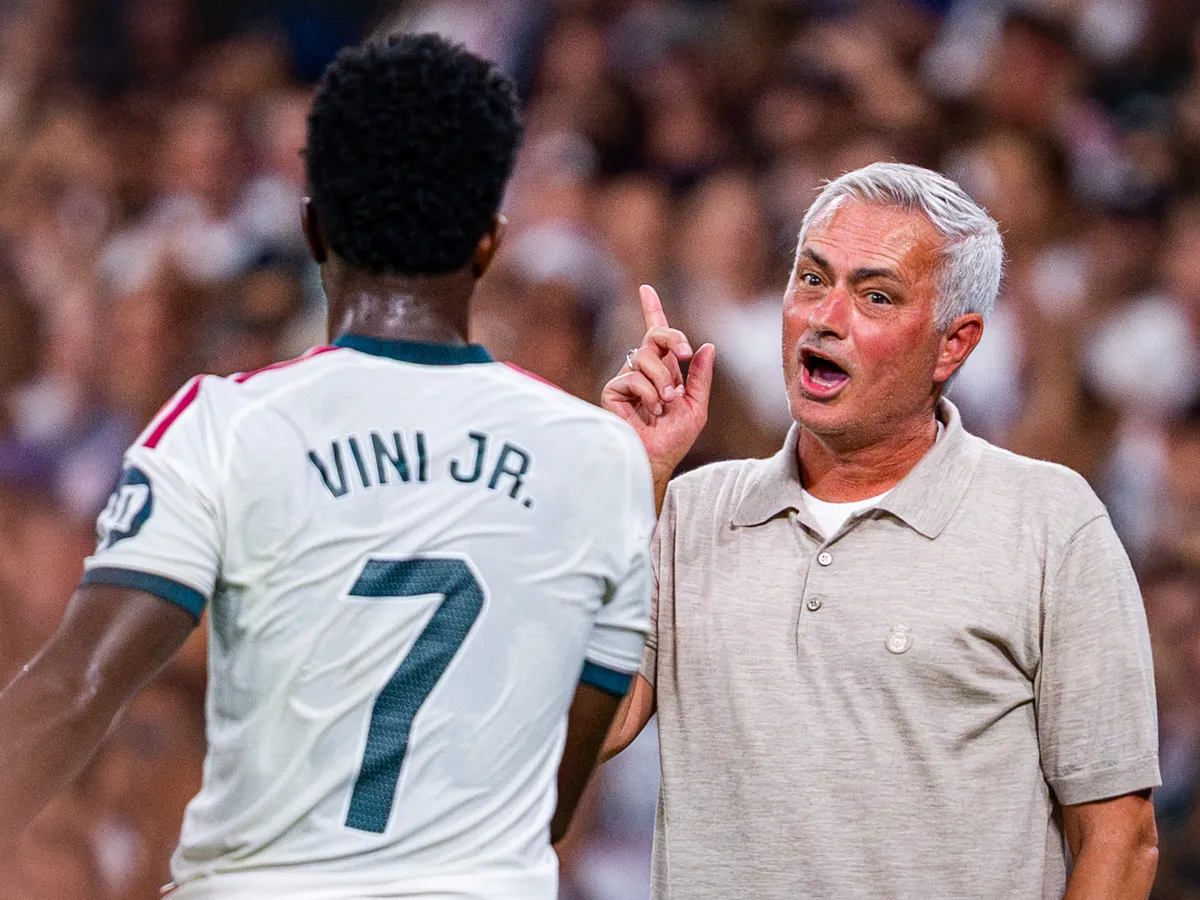
Real Madrid go into Tuesday's Champions League clash with PSV on the back of nine consecutive victories, but with important issues for Jose Mourinho to manage. Saturday's 2-1 comeback win over Celta Vigo was another example of the team's ability to react, but it also exposed problems that the manager cannot ignore.
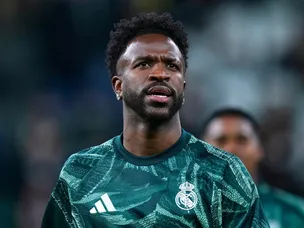
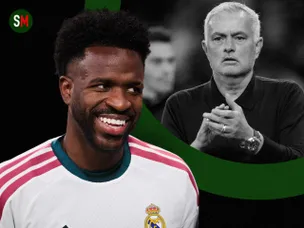
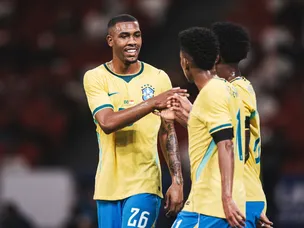
Vinicius Junior came off the bench to take a direct part in both goals, with the assist for Carlos Espi deciding the match. The Brazilian, who had served a four-match suspension in La Liga, has regained prominence and has already had his place in the starting line-up for the European tie confirmed by Mourinho. At the same time, the Spanish centre-forward again showed that he can be decisive even with few minutes on the pitch.
The challenge is to find room for so many options without compromising the collective structure. Real Madrid have Kylian Mbappe, Vinicius, Jude Bellingham, Arda Guler, Yan Diomande and Espi, as well as names who could come into the mix, such as Endrick and Bernardo Silva, but they cannot simply put them all on the pitch and hope that individual talent solves everything.
Vinicius returns to the team, but Mourinho must balance the side
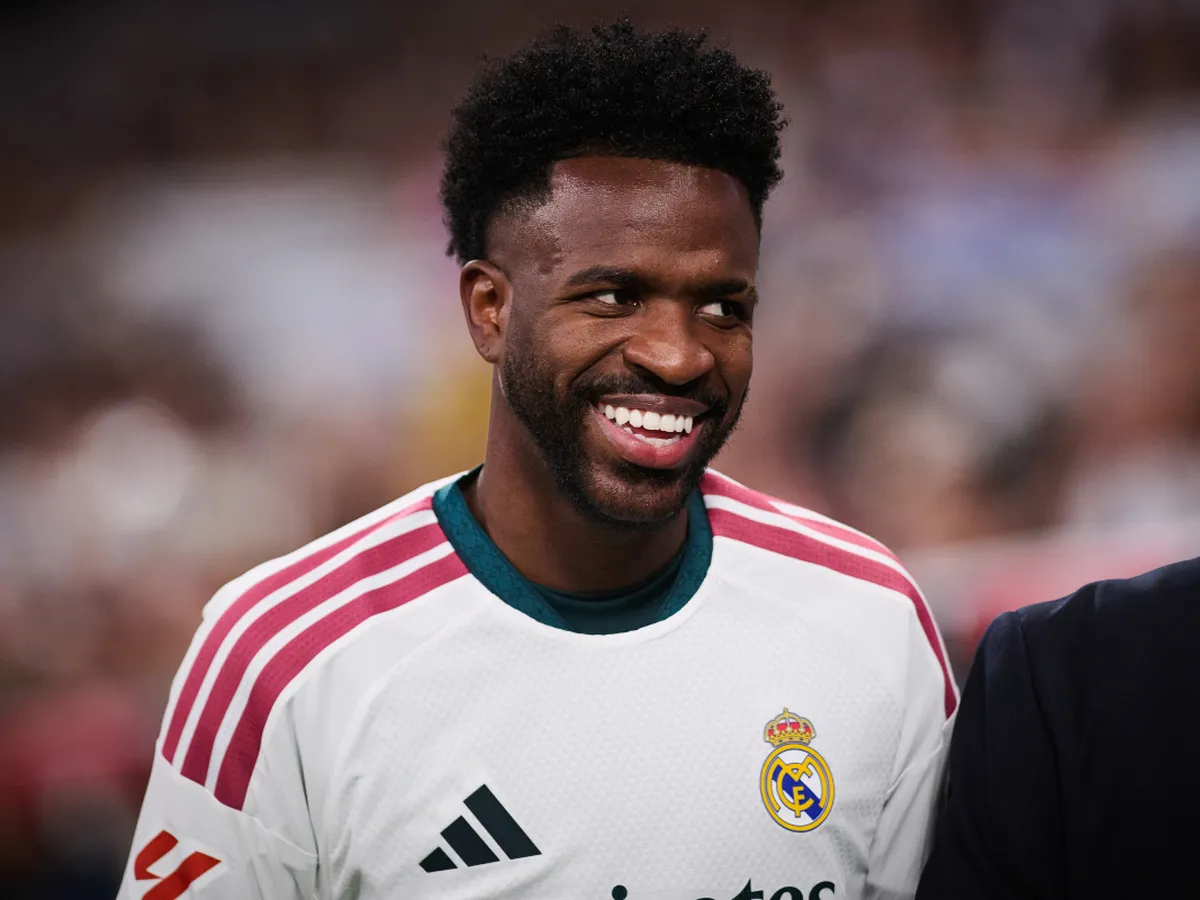
Vinicius's display against Celta was a reminder of what the Brazilian offers Real Madrid. Coming on 12 minutes into the second half, he gave the attack depth and was able to unbalance defenders in one-on-one situations. For the equaliser, he started the move that ended with Bellingham. For the winner, he crossed for Espi to pounce on the rebound.
Mourinho confirmed that the Brazilian will start against PSV, ending the debate about his status in the team. Peter Bosz's side are known for high pressing, aggressive defending and their attempts to win the ball back quickly. When that first press is beaten, however, they tend to offer space behind the defenders.
That is precisely where Vinicius can be decisive. With his acceleration and ability to attack the space in behind, the Brazilian is a constant threat to a defence that often plays a high line and takes on individual duels all over the pitch. Mbappe can also exploit these spaces.
The question for Mourinho is how to make this threat work without leaving the midfield exposed. Real Madrid cannot rely solely on winning the ball back and launching it to the forwards. They need players close by to connect transitions and sustain possession when necessary.
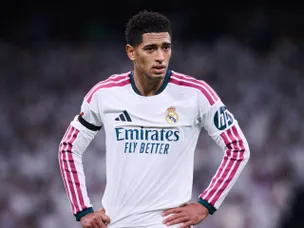
The presence of Bellingham and Guler between the lines could be important. The Englishman offers ball-carrying and arrivals into the box, while the Turkey international has the quality to find passes that speed up the attack. But the team needs a solid base behind them. Without that, the freedom of the attacking players could prove costly.
Espi deserves more minutes and faces the same problem as Endrick
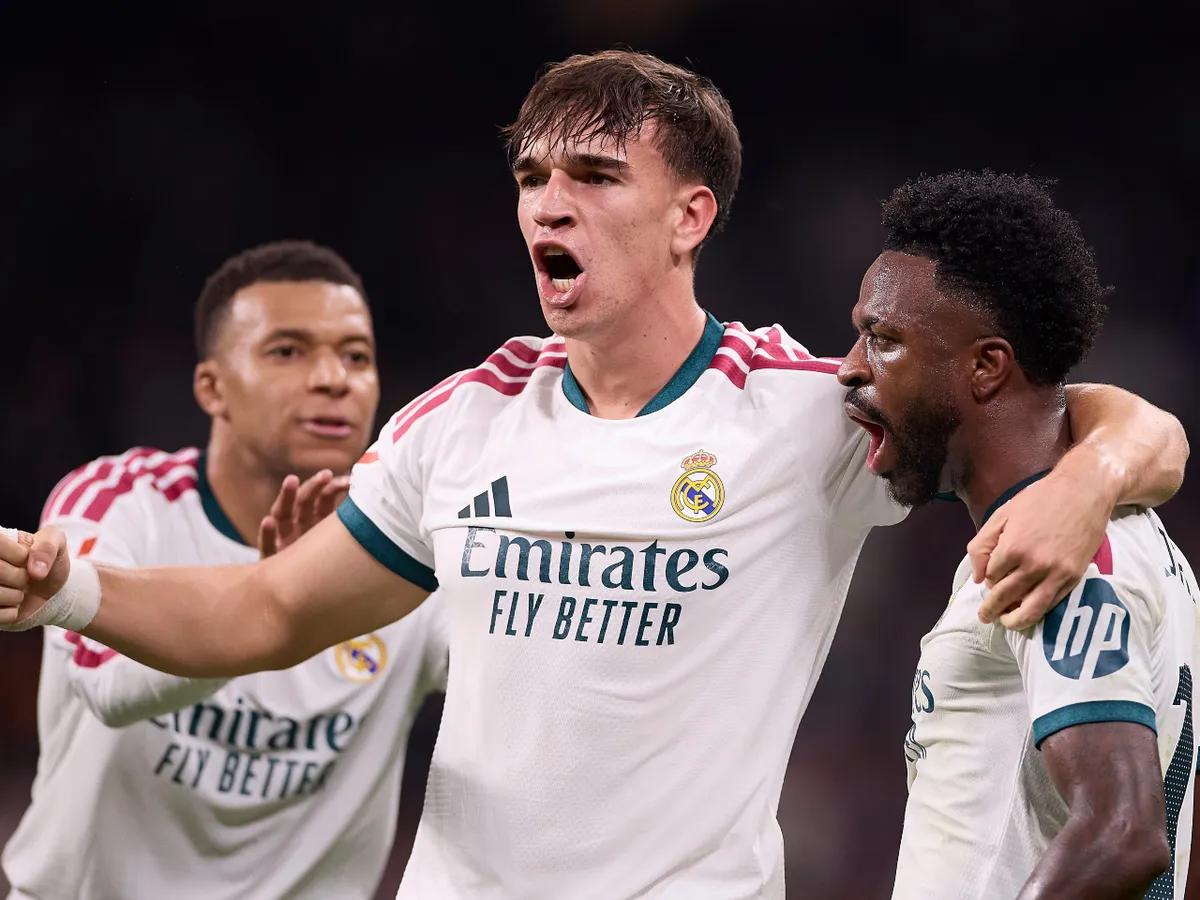
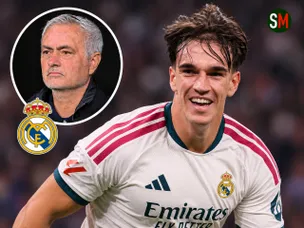
Espi's situation is another dilemma. The 21-year-old forward scored the winner against Celta and has three goals in only 44 minutes played in La Liga this season. It is impressive efficiency, but it does not necessarily mean that he should start.
Mourinho was clear in explaining the Spaniard's characteristics. Espi is a penalty-box centre-forward, strong in the air, able to play with his back to goal and to attack the spaces close to the six-yard box. He is not, however, a forward with great mobility to take part constantly in build-up play. The manager also said that the squad does not have the right characteristics to play a pure 4-4-2 with Mbappe and Espi together.
Mbappe likes to start from the left or occupy the space between the full-back and the centre-back, but he is not a traditional winger who tracks the opposition full-back back into his own half. Vinicius also needs freedom to receive the ball wide and accelerate. Putting Espi alongside the Frenchman would require the two wide players to tuck in more and help form a four-man midfield line.
There are alternatives, but all involve compromises. Bellingham could play deeper, for example. The problem is that Real Madrid would lose part of the Englishman's ability to arrive in the box and would need a midfielder with greater defensive responsibility to compensate. It would also be possible to use Espi in matches where the opposition sit deep and offer less space for the runs of Vinicius and Mbappe.
Against tired defences and crosses, Espi offers something different from the other forwards in the squad. His efficiency as a substitute should not be confused with an obligation to change the whole structure of the team.
PSV could expose Real Madrid's problem
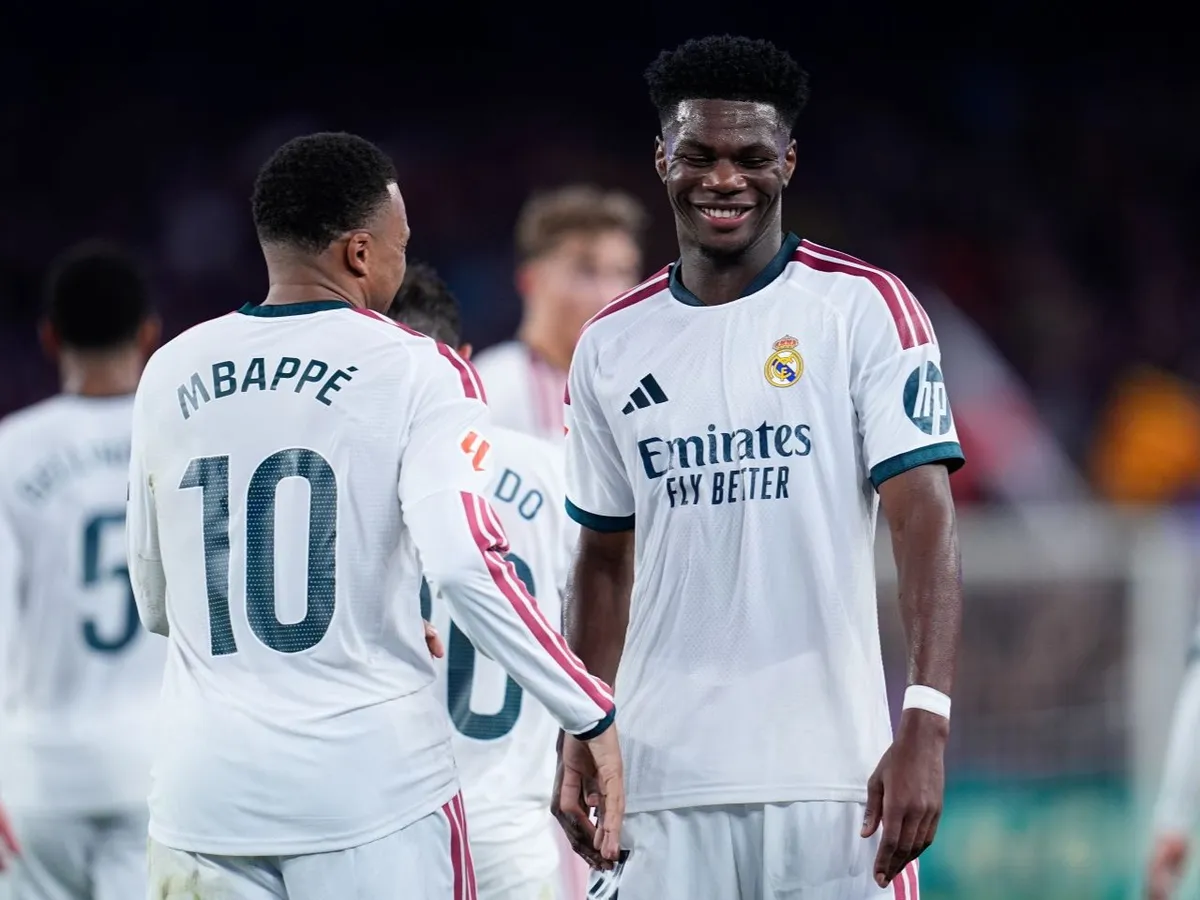
The win over Celta also left a warning. After turning the scoreline around, Real Madrid finished the game with four forwards on the pitch, as well as Bellingham and Guler in midfield. Mourinho admitted that the team became unbalanced and that he would have liked an extra substitution to bring on Tchouameni and restore defensive protection.
Under Bosz, PSV rely on high pressing, dominating possession, constant movement and a defence that often takes on individual duels. The full-backs can advance into midfield and the forwards take part in the press. It is an aggressive model, capable of suffocating opponents, but one that also leaves space when the first line is beaten.
Real Madrid have the tools to exploit these gaps. Vinicius and Mbappe can attack the space in behind, while Bellingham and Guler have the ability to receive between the lines and speed up the transition. The difficulty will be doing so without turning the game into a series of attacks and counter-attacks.
Real Madrid won their first four league-phase games in the Champions League and are second, with 12 points. The positive run brings calm, but it does not remove the need to improve the collective performance.
Mourinho already has an answer to one of the questions: Vinicius will start. He also knows what Espi can offer and why he does not intend simply to put him alongside Mbappe. The bigger challenge is to make Real Madrid take advantage of the quality of their attackers without losing control of midfield.

 Jose Mourinho
 Vinicius Junior
 Carlos Espi Escrihuela
 Endrick
 Real Madrid
 PSV Eindhoven