The owners of Manchester City are facing renewed scrutiny after senior figures at three Premier League clubs reportedly called for them to be forced to sell the club in the wake of its financial breaches.
An independent commission found City guilty of 114 of the 115 charges brought against them by the Premier League, relating to alleged breaches of financial regulations between 2009 and 2018. The club denies wrongdoing and has appealed against the verdict, with sanctions yet to be determined.
While much of the debate has centred on potential points deductions, financial penalties and the possible removal of titles, some of City's domestic rivals believe that a change of ownership would be necessary to restore confidence in the competition.
Should Man City's owners be forced to sell up as punishment for breaking financial rules? ? https://t.co/YfIws1lvS6
— Match of the Day (@BBCMOTD) November 27, 2026
Premier League rivals believe sporting sanctions are insufficient
According to BBC Sport, senior figures at three Premier League clubs have privately expressed their belief that City's Abu Dhabi owners should be compelled to relinquish control of the club.
One executive, speaking anonymously, suggested that any punishment would be inadequate if the current ownership remained in place, while also questioning the purpose of clubs funding an independent regulator if it was unwilling to intervene in such circumstances.
The independent commission found that City had inflated revenues and concealed losses amounting to approximately £900m through commercial arrangements deemed illegitimate. The findings cover nine seasons, during which City won three Premier League titles.
City strongly dispute those conclusions, arguing that the commission's decision contains fundamental errors of law and fact. Their appeal hearing is expected to take place in December, with a verdict anticipated in the new year.
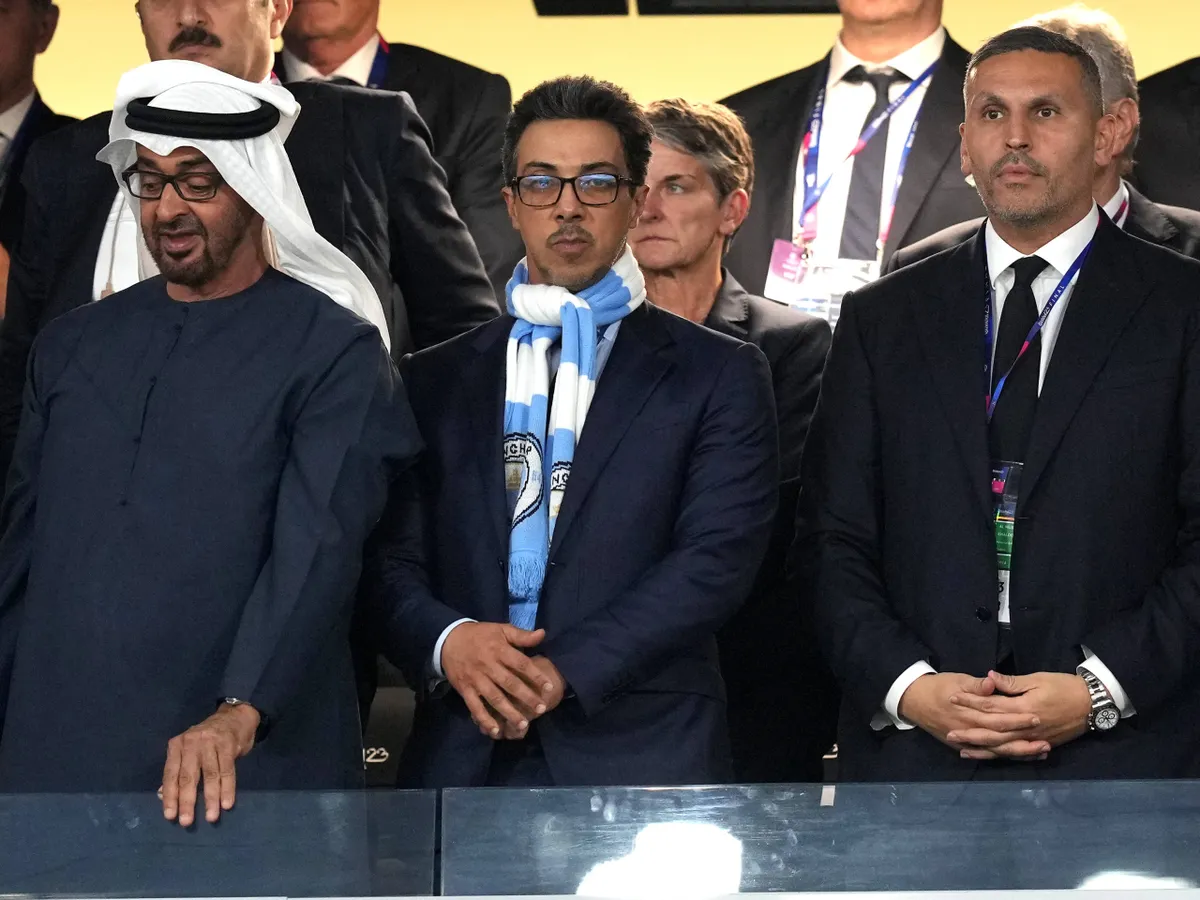
The latest intervention from rival executives represents a significant development in the wider dispute. Even if City were handed a substantial points deduction or a financial penalty, those measures would not necessarily affect Sheikh Mansour's control of the club.
However, the power to enforce a change of ownership rests with the Independent Football Regulator (IFR), whose responsibilities extend beyond the Premier League's disciplinary framework.
Football regulator has legal powers to force Man City ownership change
Speaking before a parliamentary committee on Wednesday, IFR chairman David Kogan made it clear that the regulator would not be deterred by the prospect of taking action against one of England's most successful clubs.
"We cannot simply ignore our statutory duties in relation to a club because it happens to be of a certain size," Kogan said.
The Football Governance Act 2025 gives the regulator extensive powers over club ownership. Under Section 34, the IFR can assess whether existing owners continue to satisfy suitability requirements, including standards of honesty, integrity and financial soundness.
Should an owner be deemed unsuitable, Section 39 provides a mechanism through which the regulator can require them to relinquish their ownership within a specified period. Section 43 also allows the IFR to issue an ownership removal order and appoint independent trustees to oversee the process where the relevant legal conditions are met.
Such intervention would require a separate assessment of the individuals concerned. An unsuccessful appeal by Manchester City would not, in itself, automatically trigger a sale of the club.
The regulator's independence is particularly significant given Sheikh Mansour's position as vice-president and deputy prime minister of the United Arab Emirates, alongside the country's extensive economic interests in the United Kingdom.
However, Kogan has insisted that political considerations will have no bearing on the regulator's assessment of the evidence.
For now, the immediate focus remains on City's appeal against the independent commission's findings. Should the verdict be upheld, the club could find themselves facing two separate proceedings: one determining the sporting consequences of the financial breaches and another examining whether the individuals responsible for running the club remain suitable owners and directors.

 Manchester City