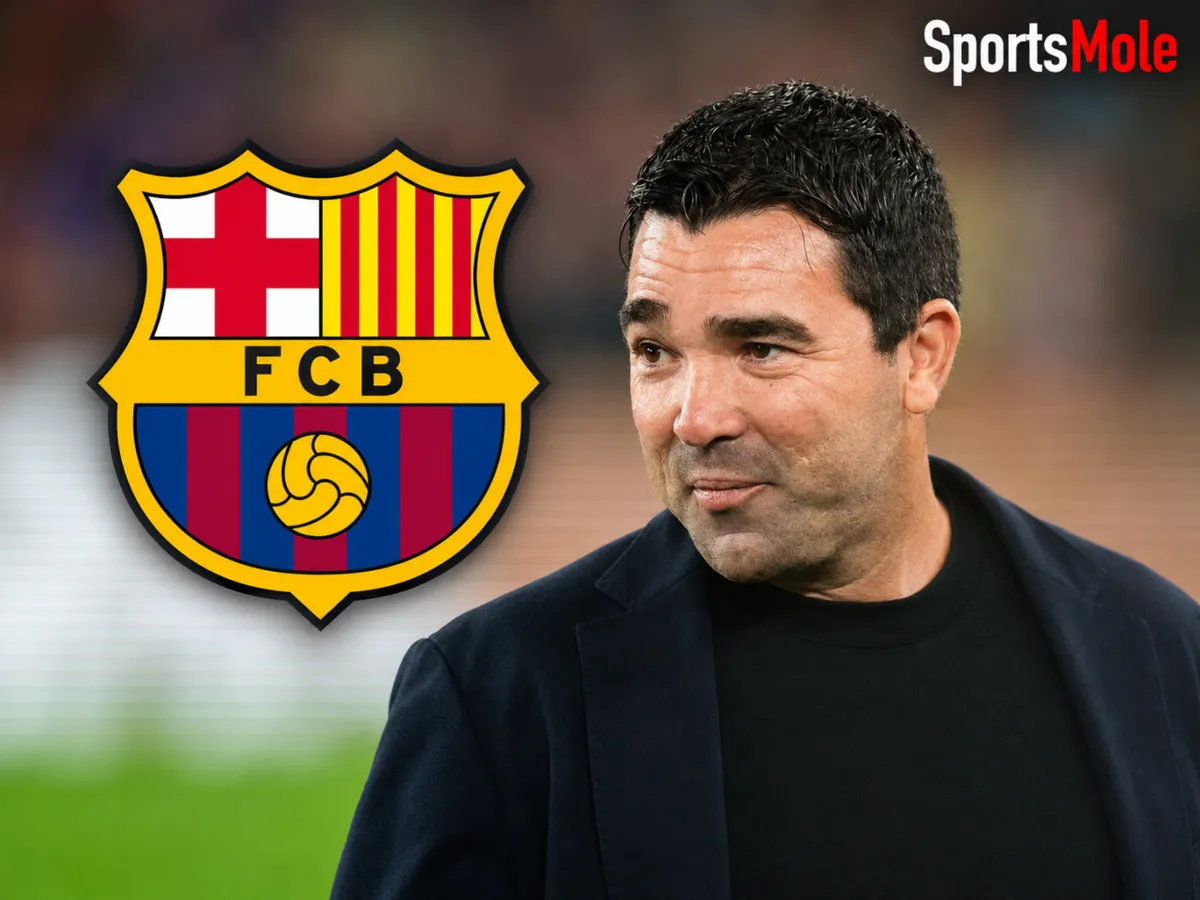
Barcelona's new partnership with Brazilian academy Sfera FC comes with an ambitious target: developing at least one player capable of reaching the Catalan club's first team within the next five years.
The objective was revealed by Sfera co-founder and chief executive Gustavo Aranha in an exclusive interview with Trivela, offering fresh insight into the agreement recently negotiated by Barcelona sporting director Deco.
The two clubs announced a five-year collaboration earlier this month, giving Barcelona preferential access to emerging Brazilian talents while allowing young players to experience the training environment at La Masia.
However, Aranha has now explained that the project extends well beyond identifying potential transfer targets, with Sfera hoping to establish a direct pathway from its academy in Sao Paulo to Barcelona's senior squad.
"Beyond that, the main objective is to have at least one player developed by Sfera playing in Barcelona's first team within five years," Aranha told Trivela.
It is an ambition set by the Brazilian club rather than a guarantee from Barcelona, whose agreement contains no obligation to sign players or promote them to the senior side.
Barcelona's five-year partnership reveals Deco's Brazilian recruitment strategy
The agreement originated from a visit Deco made to Sfera's training facilities in May, although the former Barcelona midfielder was already familiar with the organisation before becoming the club's sporting director.
Aranha explained that the visit helped transform their existing relationship into formal negotiations, eventually resulting in a five-season contract.
Established in 2021, Sfera specialises in developing young footballers rather than operating as a conventional professional club.
Its academy currently works with players from under-11 to under-19 level, and the organisation has no intention of establishing a senior team.
"Our partners and I never wanted to have a traditional football club. We wanted to build the best player development process in Brazil," Aranha explained.
Barcelona's involvement provides a significant opportunity for that model, particularly given the competition among European clubs to identify promising Brazilian youngsters before their market values increase.
Under the agreement, Barcelona will receive priority when assessing players developed by Sfera, with the two organisations working together to identify individuals suited to the Catalans' sporting requirements.
Nevertheless, the Spanish giants are under no contractual obligation to complete any transfers.
Aranha also confirmed that the clubs deliberately rejected the idea of setting a minimum number of players to be sent to Barcelona each season.
Such a requirement could have resulted in youngsters being recommended before they were ready, while also potentially restricting opportunities if Sfera produced an especially promising generation.
The partnership does not prevent the Brazilian academy from maintaining relationships with other clubs, either.
"The Barcelona partnership is not about them coming to Sfera to teach us how to develop players according to their methodology," Aranha added.
"They want Sfera to continue doing its work, using the institutional relationship to enhance and showcase our players."
For Deco, the arrangement offers a more direct connection to a Brazilian development programme without Barcelona needing to establish or operate their own academy in the country.
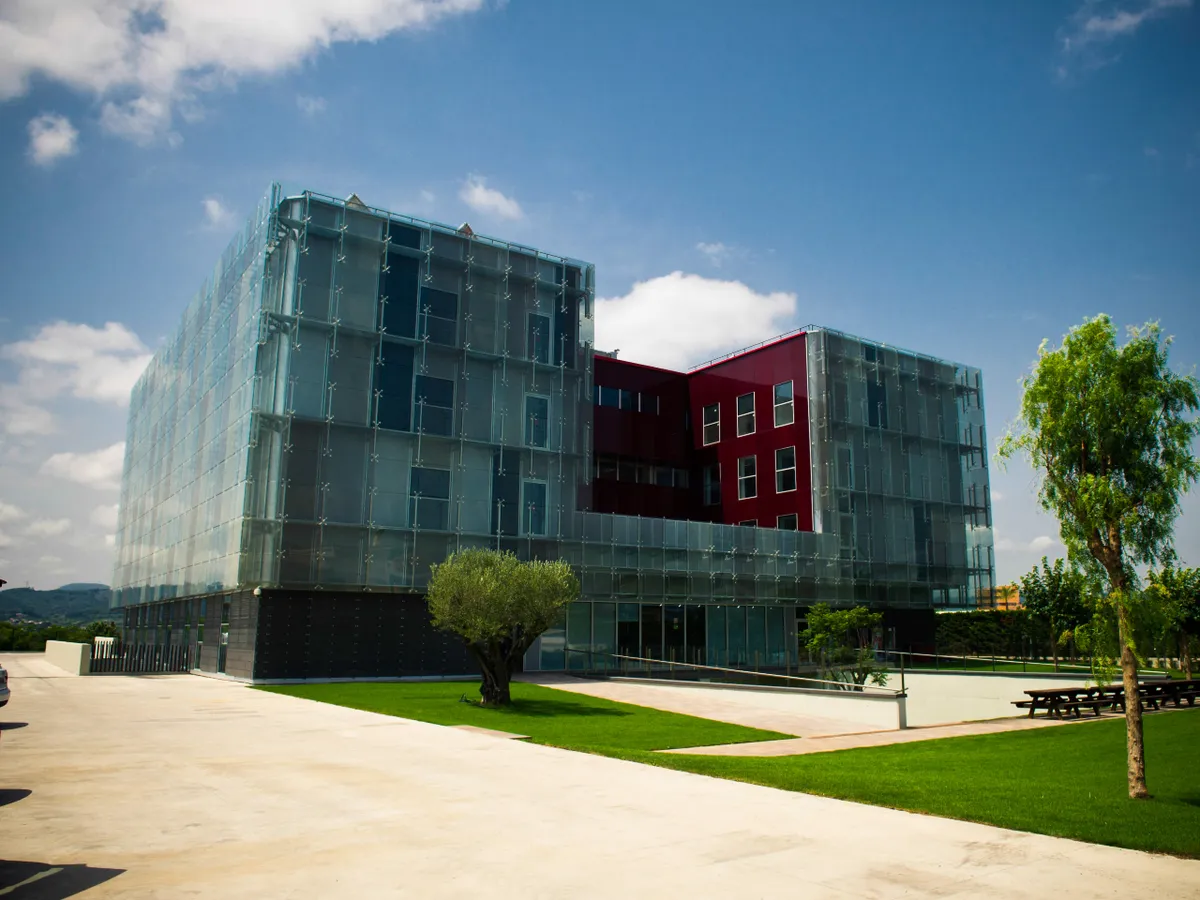
How La Masia could help develop Barcelona's next Brazilian talent
One of the most distinctive aspects of the agreement concerns the possibility of Sfera players making repeated visits to Barcelona before any permanent transfer is considered.
Rather than inviting youngsters to Spain for a conventional trial, the clubs intend to create a gradual process of assessment and adaptation.
Sfera will recommend players based on their development and individual characteristics, while Barcelona's coaching staff will assess whether they meet the club's requirements.
Selected youngsters could then spend several weeks training at La Masia before returning to Brazil with specific areas of their game to improve.
"It's not about a definitive trial where a player goes there and stays, but about building an adaptation process through several visits," Aranha explained.
"That way, Barcelona get to know the player closely, and we understand which areas we need to focus on developing when he returns."
This approach is designed to prepare youngsters for the demands of European football before they face the additional pressures of a permanent move abroad.
It could be particularly valuable when players approach the transition to Barcelona's under-19 or reserve teams.
The agreement also includes exchanges between coaching staff, allowing Sfera employees to observe La Masia's training methods and incorporate relevant lessons into their work in Brazil.
Aranha stressed that the Brazilian club would retain its own identity, rather than becoming a Barcelona satellite academy.
Sfera's development model places considerable importance on education, emotional development and individual support alongside conventional technical and physical preparation.
Players undergo weekly video analysis sessions, while the academy also aims to develop their decision-making and understanding of the game.
For Barcelona, the potential reward is early access to youngsters who have already experienced the club's footballing environment.
For Sfera, the ultimate measure of success would be seeing one of those players progress through the academy system and eventually represent the senior side.
The five-year agreement includes the possibility of an extension, although Aranha believes the relationship should ultimately be judged by the quality of the players developed and the opportunities created.
No specific youngster has yet been identified as the potential beneficiary of that first-team ambition, but the partnership gives Barcelona a structured route to monitor the next generation of Brazilian talent long before a permanent transfer becomes necessary.

 Barcelona