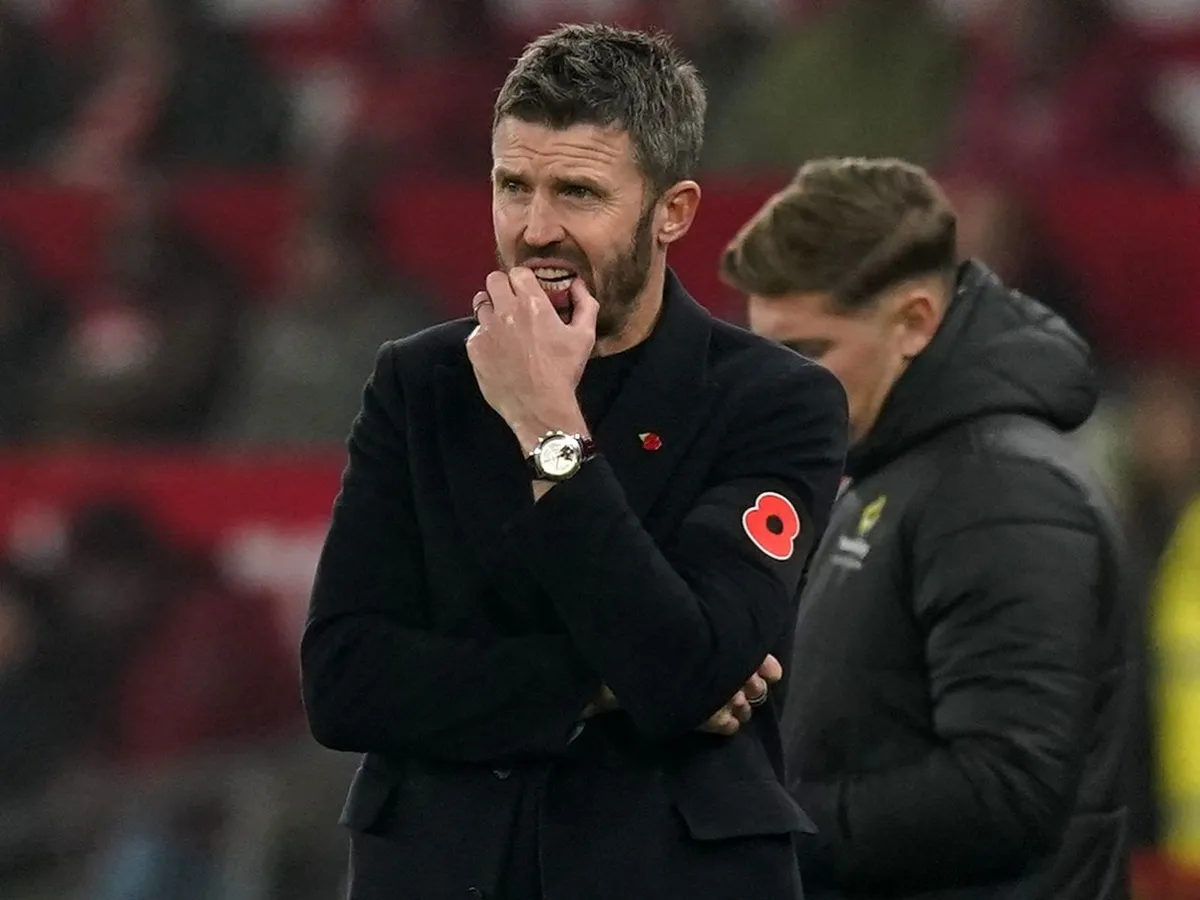
Gary Neville has once again directed criticism at the leadership of Manchester United. For the club idol, the instability that has surrounded the club in recent years will not be resolved simply by another change of manager.
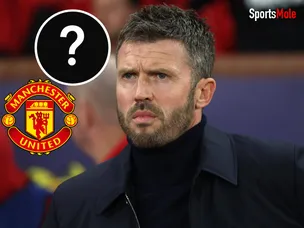
Speaking to NBC, the pundit said the owners do not know how to handle the situation of Michael Carrick and pointed to failings in different areas of the football structure.
The sporting situation helps explain the discontent. United arrive at the international break in the relegation zone of the Premier League, with only one win in the competition. The 4-4 draw with Aston Villa, in which Joshua Zirkzee and Patrick Dorgu scored in stoppage time, avoided a defeat but was not enough to ease the pressure on the club.
The situation contrasts with six months earlier, when Carrick took charge on an interim basis and guided the team to third place. The drop in performance has revived doubts about his future, but Neville believes the discussion about the manager distracts from deeper problems.
Neville questions lack of direction at Manchester United
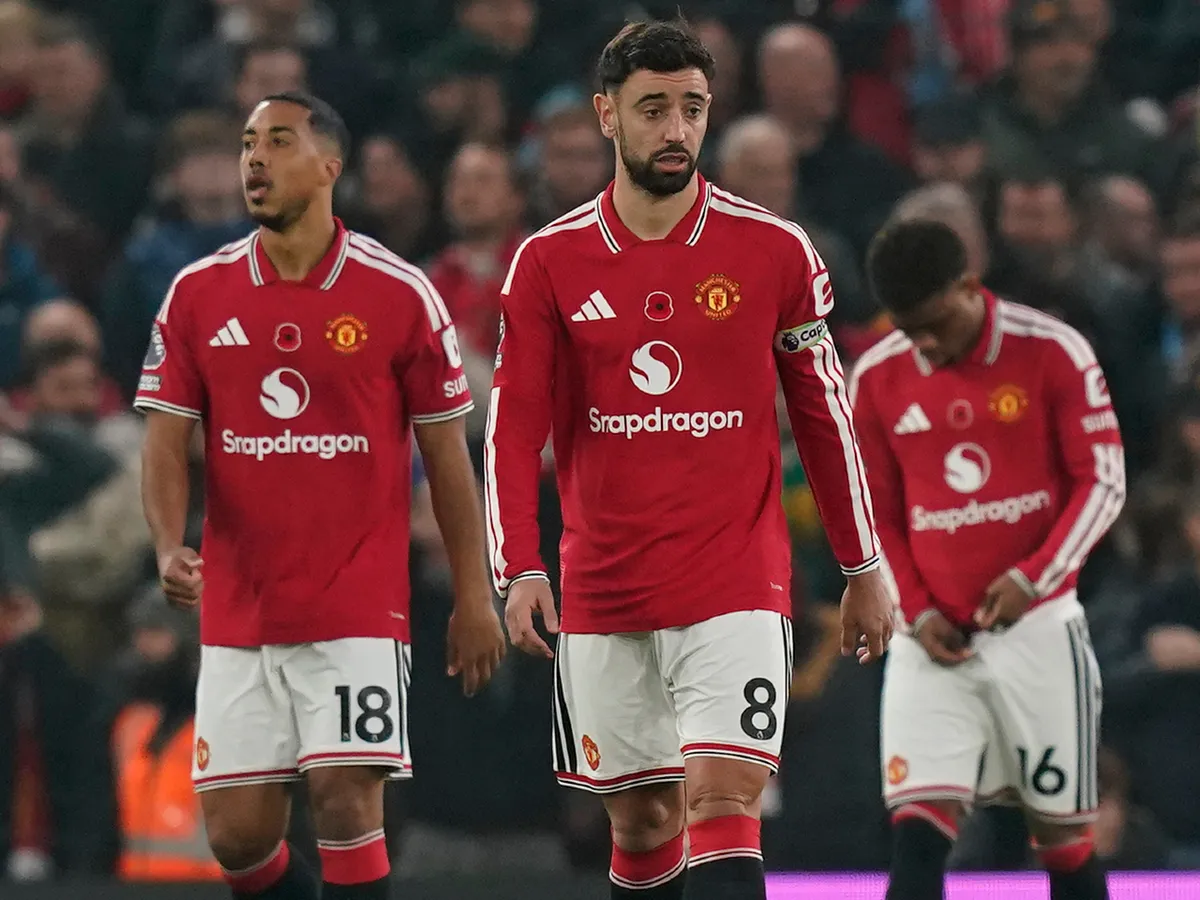
In Neville’s assessment, Manchester United are repeating a cycle of hope and frustration.
The arrival of a new manager usually generates optimism in the first few months, but the results and the internal problems come back. For that reason, the former full-back believes that a possible exit for Carrick would not, by itself, resolve the crisis.
‘When the new manager comes in, everybody’s happy for a couple of months and then all of a sudden, six months later, it happens again’ - he said. The pundit recalled that the club has been through eight managers in 12 years and questioned the insistence on treating a change in the dugout as the solution.
Neville did not necessarily argue for Carrick to stay. His point was precisely to highlight the lack of clarity about the way forward, regardless of the decision on the current manager.
‘Michael could leave, Michael might stay, we don’t know, the ownership don’t have a clue what to do’ - he said. The list of figures who have passed through the club since the departure of Sir Alex Ferguson helps illustrate the scale of the instability.
‘It’s rinse and repeat. Ruben Amorim, Erik ten Hag, Ole Gunnar Solskjaer, Michael Carrick’s in the job now, Jose Mourinho, Louis van Gaal, David Moyes, Ralf Rangnick.'
'Some of them are world-class managers who have had success, there are a lot of promising young managers there, ex-players who know the club as well. None of it has worked because if you recruit badly, if you’ve got a poor performance department, poor recruitment department, you’ve not got leadership that is strong right through the spine of the football club, you will fail.’
The former captain also stressed that the lack of results cannot be explained simply by the quality of the managers appointed. In his view, some of the names who have passed through Old Trafford had a history of winning trophies and experience at the highest level, but did not find a structure capable of supporting a sporting project.
Protests against owners and criticism of football structure
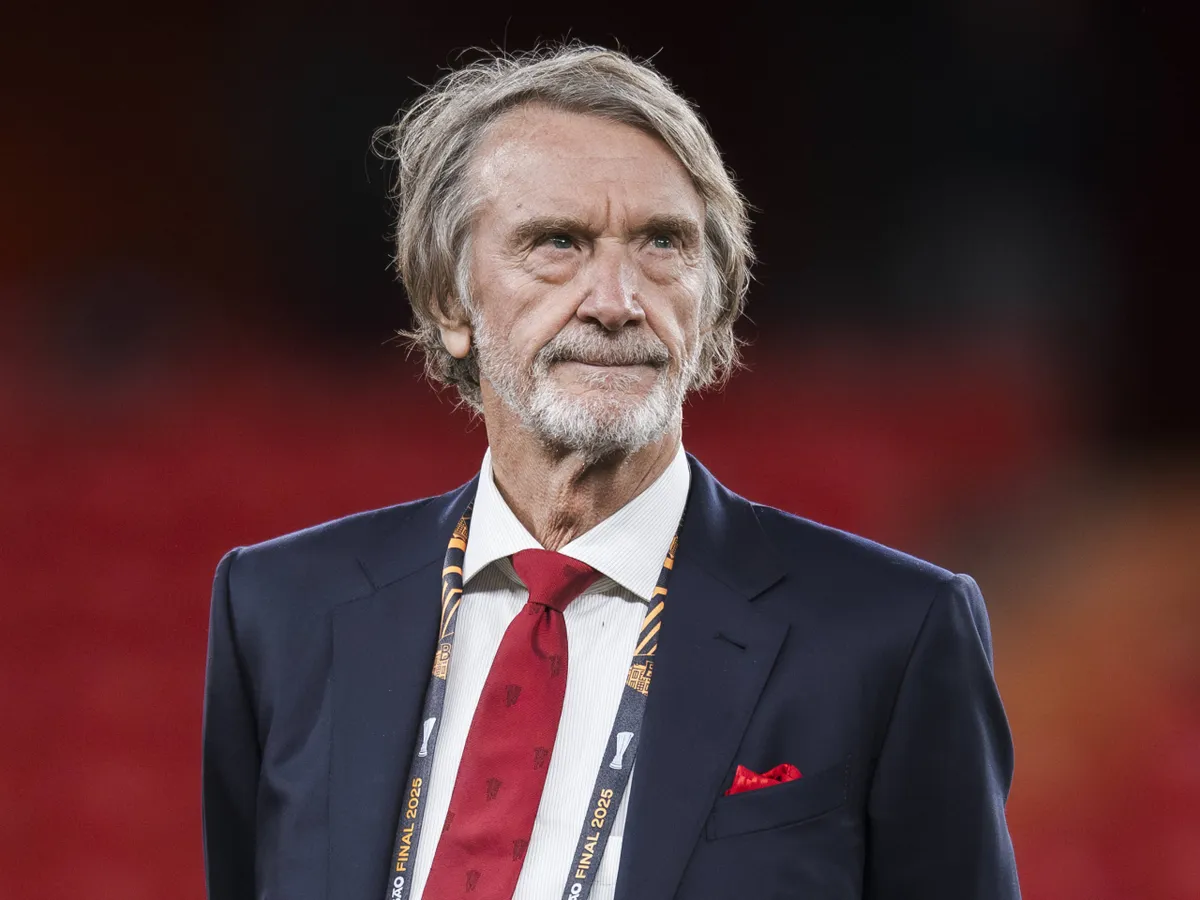
The discontent with the running of the club also appeared in the stands at Old Trafford. During the draw with Aston Villa, supporters displayed banners aimed at the Glazer family and Sir Jim Ratcliffe, with a clear message: ‘We do not want a new stadium, we want new owners’.
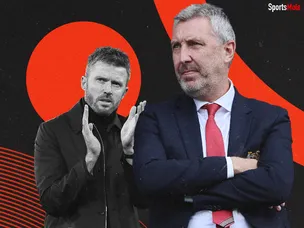
The protests reflect a demand that goes beyond results on the pitch. The Glazer family remain the majority owners of Manchester United, while Ratcliffe and INEOS took control of football operations after acquiring a minority stake in the club. The leadership structure also includes names such as chief executive Omar Berrada and director of football Jason Wilcox.
Neville also cited the need for alignment between the different levels of the institution. In his view, it is not enough to hire a big-name manager or bet on young players with potential if the decisions taken by the board do not follow a common direction.
‘Every organisation in the world will fail if you’ve not got an aligned leadership from top to bottom, your board and your ownership right the way through to the person who is stood on the pitch’ - Neville concluded.
The criticism puts the spotlight back on a question that has followed Manchester United since the end of the Ferguson era: the difficulty of turning one-off changes into a consistent sporting project.
While the club tries to find an answer to the situation of Carrick, Neville’s assessment is that the debate about the manager cannot replace a wider discussion about who makes the decisions and how football is run at Old Trafford.

 Michael Carrick
 Manchester United