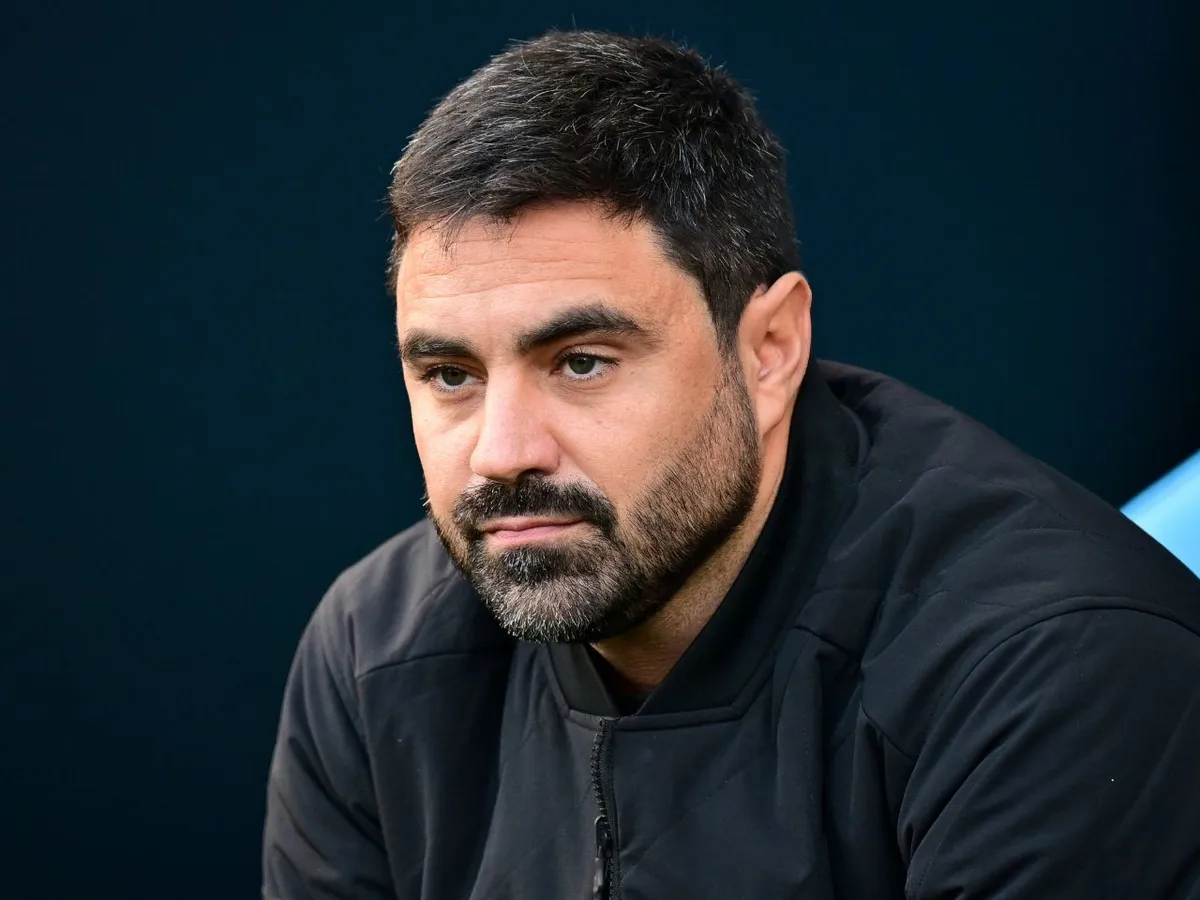
Has Strasbourg become a prisoner of BlueCo’s strategy? The departure of Hugo Oliveira, replaced by Vitor Matos after only a few months in the dugout, has reignited questions over the management of the Alsatian club.
Only 13th in Ligue 1 with 10 points after 10 games, Strasbourg are going through a very difficult start to the season. But beyond the results, it is above all the absence of continuity that stands out. Since January, four managers have followed one another in the Strasbourg dugout. Such instability is hard to reconcile with building a genuine sporting project.
Strasbourg, an annex of Chelsea at the whim of BlueCo decisions

Liam Rosenior’s departure for Chelsea last January had already given a glimpse of the limits of the model. The Englishman, now at Paris FC, had established a playing identity and allowed Strasbourg to rediscover a certain ambition, before being called up to the flagship club of the BlueCo galaxy.
Gary O’Neil succeeded him, before joining Ipswich Town a few months later. Hugo Oliveira, who arrived this summer, ultimately lasted only four months. Vitor Matos is now expected to succeed him.
This succession of changes raises an obvious question: how do you build a team when its manager changes so regularly?
Each coach arrives with his own principles, tactical preferences and recruitment needs. Rosenior’s high press, O’Neil’s orientations and Oliveira’s intentions have not allowed lasting continuity to be established. Strasbourg’s players constantly have to adapt, while collective automatisms are called into question.
The transfer window does not help matters. Strasbourg had a particularly busy summer, with a multitude of movements, including several players from the Chelsea ecosystem.
The club sometimes looks more like a piece in a vast player circulation system than one building its squad around clearly identified needs. Strasbourg’s sporting logic therefore seems regularly to come second to that of BlueCo.
European ambitions, but what identity for Strasbourg
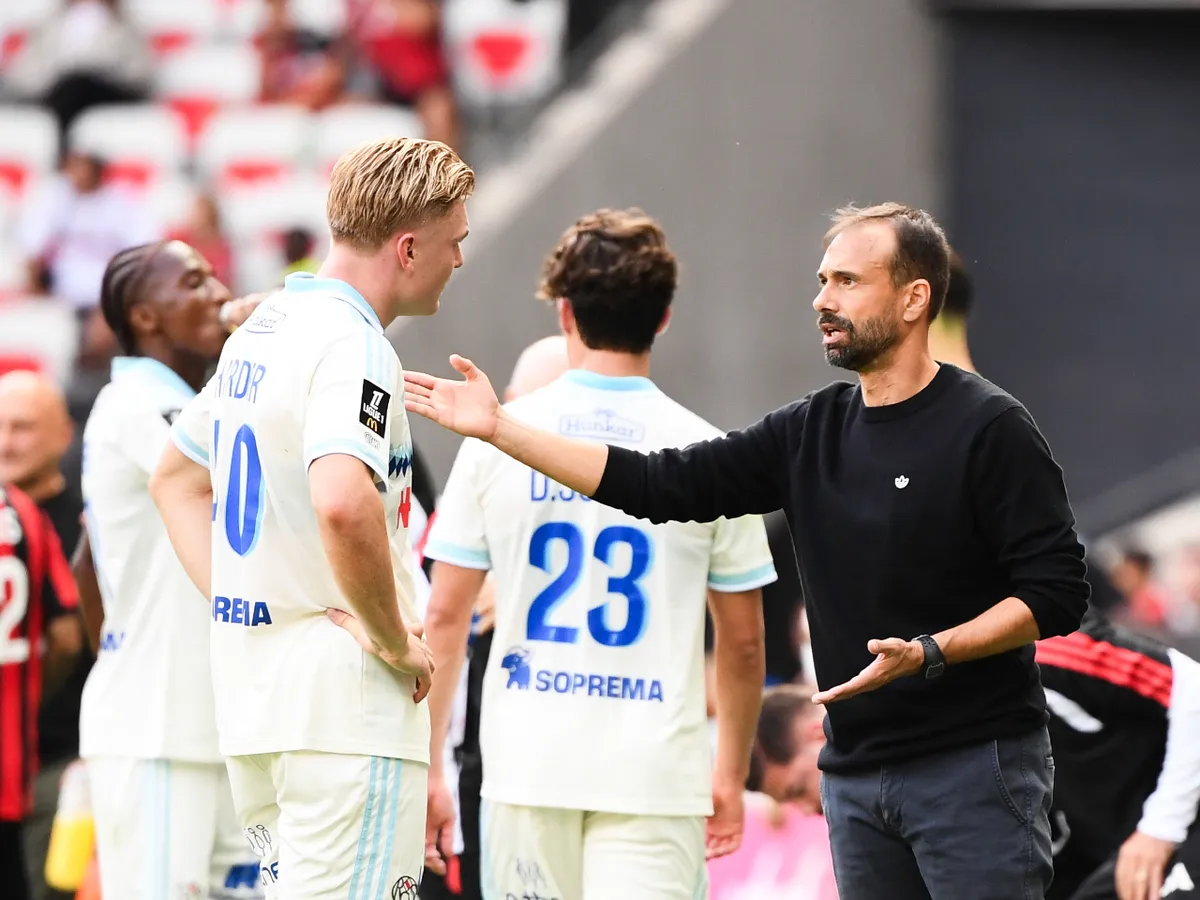
It would be unfair, though, to deny the benefits of this policy: Strasbourg have rediscovered a European dimension and reached the semi-finals of the Conference League in spring 2026. The club also has a young squad with resale value, and has the resources to attract promising talent.
But what is the point of developing players if the best of them are liable to leave as soon as an opportunity arises within the group? What is the point of investing in a manager if he can be replaced so quickly?
Rosenior’s departures and the player movements between Strasbourg and Chelsea illustrate this difficulty in preserving a trajectory of the club’s own.
BlueCo has found in Alsace a tremendous breeding ground for its young talents. But Strasbourg cannot be reduced to a development centre at the service of Chelsea.
The French club’s supporters expect a team to identify with, a readable project and ambitions that do not change with the owner’s needs. By treating Strasbourg as an interchangeable element of its organisation, BlueCo risks weakening exactly what gives the club its value: its identity. Unless it is already too late? Strasbourg would benefit from disengaging from this stifling structure.

 Vitor Matos
 Strasbourg
 Chelsea