There once was a time, long before VAR and players earning in a week what it would take the average person several years to make, when football teams relied on ticket receipts and TV revenue for their income.
But in the last few years all that has changed. Big money's come into the game and it has transformed it into being more than just a sport that people enjoy on a Saturday afternoon into a huge business in which the biggest clubs have annual turnovers of £500 million or more. However, it's well worth noting at this point that they also have huge wages bills to pay, often over 50% of their total revenue. For example, the Premier League's biggest club, Manchester United, had a turnover of £590 million in 2018 but paid its players £296 million and made a pre-tax profit of £26 million, a little under 6%.
The inexorable rise of football as a financial juggernaut has also happened to coincide with the rapid growth of online gambling which had its origins in the liberalisation of the industry by Tony Blair's Labour government dating back to 2005. This came at the ideal time for the online gambling operators who were just beginning to get a very lucrative foothold in the market, driven by the rapid advance of technology and ever greater access to the internet for anyone with a computer or mobile device.
A good bet So, when the football clubs started to search for shirt sponsors as an additional source of revenue to finance their increasingly expensive operations online betting firms seemed like a natural match, particularly given the growing appeal for fans of betting on matches themselves.
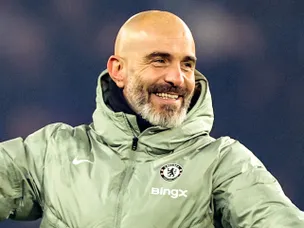
Online operators were growing in popularity, providing users with the opportunity to play the best online casino games, meaning they had suddenly become very cash rich, so they could easily afford to sponsor teams. Today, this has become even more prevalent, and that's why, this season, it's estimated that no less than £350 million will be injected into Premier League teams' finances thanks to shirt and sleeve sponsorship deals by betting companies. In terms of numbers of teams, half of all Premiership teams have betting sponsors this season and in the Championship 17 of the 24 teams will be carrying online betting firms' logos on their shirts.
For the betting firms this is undoubtedly a very good deal. Not only is their name carried by players who are role models for fans, the logo also appears on replica shirts giving even wider publicity. Then there's the TV coverage to be considered. Millions will be exposed to sponsors' names, even on the BBC's supposedly ad-free Match of the Day. Not only does this spread the names of the operators involved in live matches such as those shown on Sky or BT Sport, it also presents an immediate option for anyone wanting to place a bet on the action.
The links grow stronger

There are also signs that the links between gambling firms and the teams may be growing closer than ever and that the involvement may be becoming even more entwined. An example of this comes with the news that Wayne Rooney will be leaving DC United, the MLS team in the States, to join Championship side Derby County in January 2020. Securing someone who is arguably England's most famous player of recent years has been a coup for Derby, albeit a very expensive one.
Rooney is reported to be on £85,000 a week in the States, wages a club like the Rams would struggle to pay in normal circumstances. But the deal has meant that the team's sponsors, who are a major online casino, have agreed to inject some extra cash into the club in recognition of Rooney's very high profile. So, in effect, you could argue that the sponsors are subsidising the wages if not paying them directly.
As to whether this means a link too close is open to debate but at the present time it's not contravening any Football League rules so it could be the first of many such deals in the future.
The "gamblification" of football
A gathering body of evidence that this close relationship between the sport and gambling companies is changing the way in which fans interact with the beautiful game. For example, a study by Dr Darragh McGee of the University of Bath found a growing culture of particularly young men who could no longer watch or enjoy football unless they had a number of bets riding on the result. In some cases, participants in his research even acknowledged that it was the betting that captivated them even more than the match itself.
Regarded as part of a wider phenomenon, the fact that the gambling is now the most important element for many also shines a light on exactly how betting has become a normalised activity with a number of people, including the deputy leader of the Labour Party, Tom Watson, feeling that things have gone too far.
Already there have been changes to a number of regulations so gambling companies are not allowed to advertise live odds in the course of a game and all advertising is forbidden when children may be watching. There's also a convention that junior-size replica shirts never carry gambling company logos. So it's obvious that there is a groundswell of action that may see some sponsors wings being clipped even further.
Having said this, provided that everything is done to ensure that sponsors' messages don't reach the young or the vulnerable, there's no intrinsic harm in the relationship. And, in a season when we've seen historic clubs in financial crises, the money that they inject could be a lifesaver for others who might not have the pulling power to survive on their own.
For the moment at least, it looks like we'll continue to see many teams turn out their players with shirts emblazoned. But the debate over whether it is a good or bad thing looks set to rumble on.